
Sound meditation: deep relaxation through the power of sound
What is sound meditation?
Meditating with sound
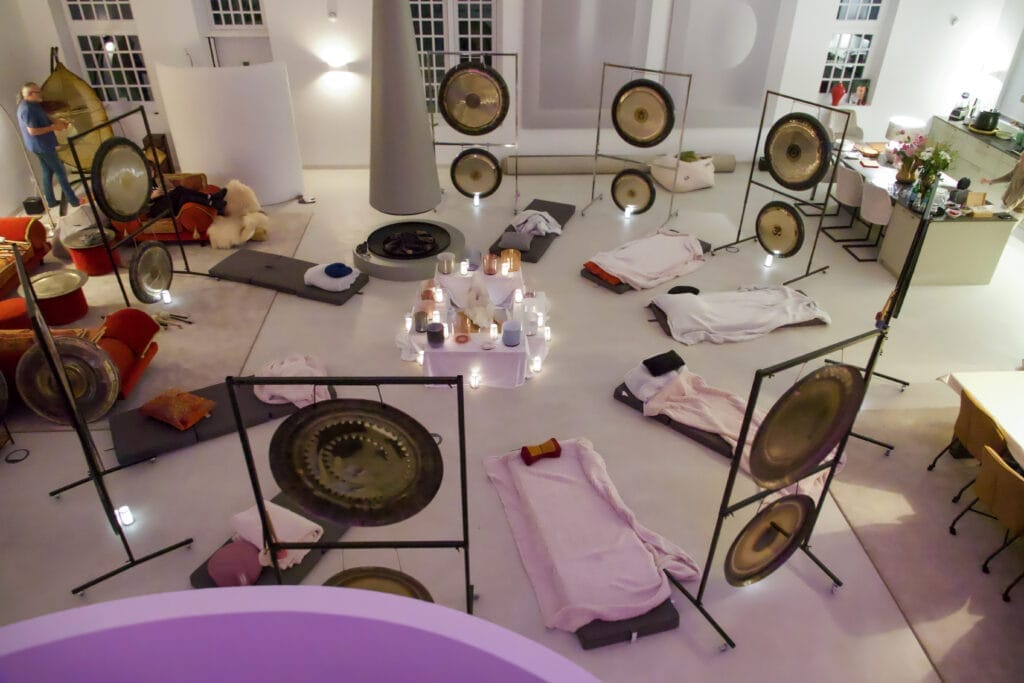
During a sound meditation, you lie or sit comfortably whilst various instruments are played. Together, the sounds create a field of vibrations that naturally draws your attention to the present moment.
Instead of actively meditating, you let yourself be carried along by the resonance of the instruments. This makes sound meditation accessible to both experienced meditators and those trying meditation for the first time.
What is the difference between this and ordinary meditation?
In traditional meditation, you consciously focus your attention on, for example, your breathing, a mantra or a specific point of focus. Sound meditation works differently.
The sounds, as it were, act as an anchor. You don’t have to make as much of an effort to stay present, because the sounds naturally draw your attention. As a result, many people find that they experience a sense of calm, relaxation and mental space more quickly.
An invitation to slow down
Every sound meditation is different. Sometimes it brings about deep relaxation, sometimes feelings or insights surface, and sometimes there is simply silence.
There is nothing to achieve or resolve. The sounds invite you to slow down, to receive and to be present with whatever arises in that moment.
Welcome to Spirit Connection
How does sound meditation work?
During a sound meditation, you are immersed in a field of sounds and vibrations. The various instruments create layers of sound that are not only audible but can often be felt in the body. Without having to do anything, you are invited to relax and be present with whatever arises.
The resonance of sounds
Sounds travel through space as vibrations. When a gong, singing bowl or other resonant instrument is struck, a rich field of tones and overtones is created.
These resonances are not only perceived by the ears. Many people find that the vibrations seem to resonate throughout the body, helping to ease tension and create more space for relaxation.
The effect on body and mind
In everyday life, the nervous system is often constantly “switched on”. Thoughts, stimuli and obligations are constantly demanding our attention.
The lingering sounds of a sound meditation invite you to slow down. Thoughts are allowed to fade into the background for a while, whilst body and mind are given the space to find peace. During a session, many participants experience greater stillness of mind, a sense of relaxation and a deeper connection with the present moment.
What happens during a session?
A sound meditation begins with a moment of settling in. You then take your place on a mat, cushion or chair and are invited to lie down or sit comfortably.
As the sounds unfold, you don’t need to do anything. There is no technique to follow and no goal to achieve. You simply listen, receive and let the resonance do its work.
Every experience is different. Sometimes a deep sense of calm arises, sometimes feelings or insights come to the surface, and sometimes it feels as though time stands still for a moment. Whatever arises, it is all allowed to be there.
What instruments are used?
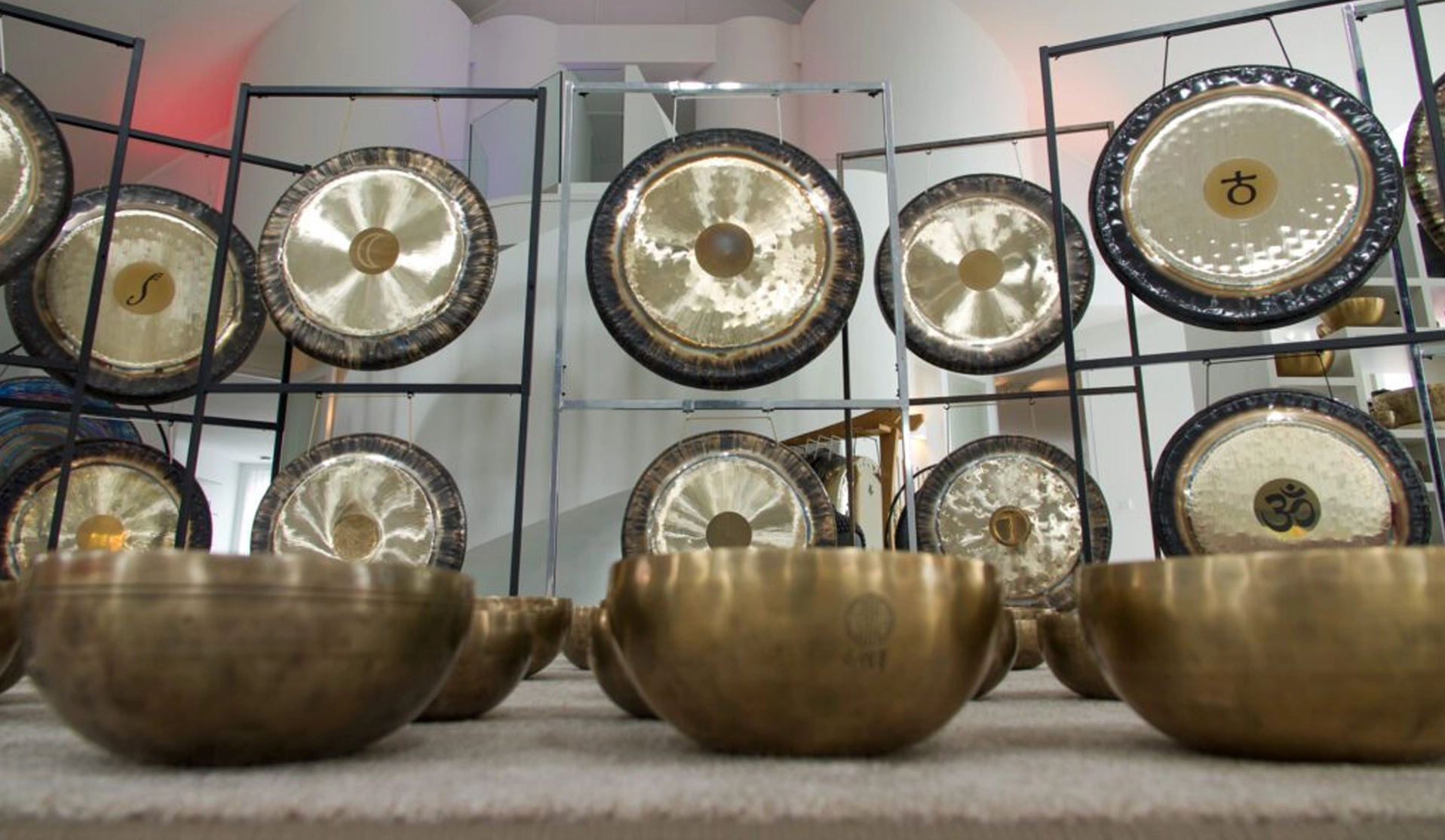
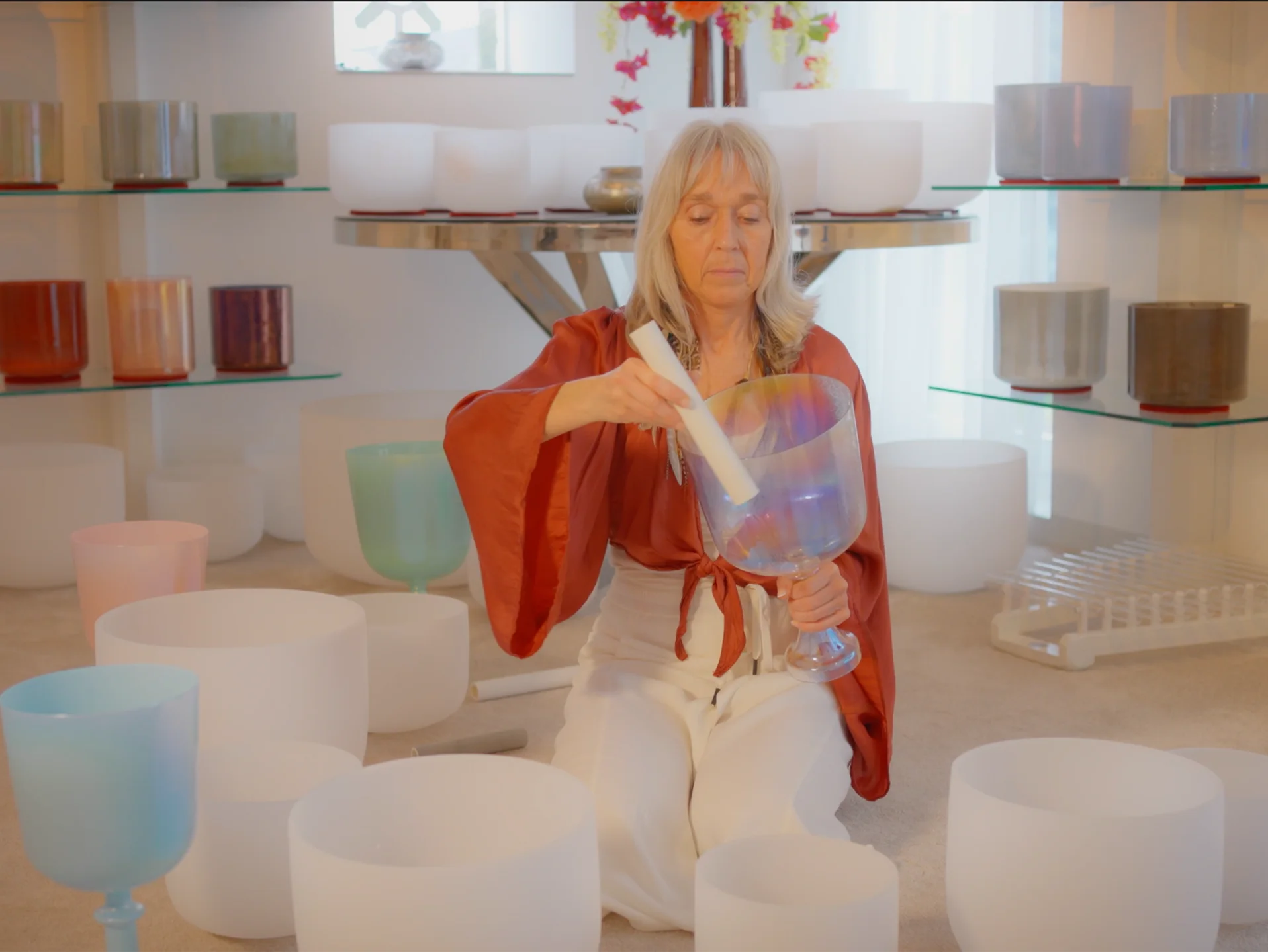
During a sound meditation, a rich and multi-layered soundscape emerges. In the Sound Chapel, various instruments are used, each bringing its own resonance and character.

Singing bowls
Gongs
Chimes
Oceaandrum
Voice and mantras
What are the benefits of sound meditation?
Deep relaxation
Stress reduction
Better sleep
When the body and mind are more relaxed, this can also have an impact on the quality of sleep. Many people say that after a sound meditation, they find it easier to fall asleep or sleep more deeply.
Greater focus and mindfulness
By focusing on the sounds, there is less room for distracting thoughts. This can help to foster greater presence, clarity and awareness in everyday life.
Releasing tension
Tension is often held in the body without us realising it. The vibrations and resonances of the instruments can help to soften whatever is stuck, creating more space to relax.
The benefits of sound meditation are different for everyone. Sometimes you notice a difference straight away; sometimes the effects of a session last for days. What remains is often a sense of calm, space and a deeper connection with yourself.
Who is sound meditation suitable for?
Sound meditation is accessible to almost everyone. You don’t need any experience of meditation, and there’s no technique you need to master. The sounds naturally guide you towards a state of greater calm and mindfulness.
Sound meditation may be suitable for, amongst other things:
- People who need more peace and relaxation in their daily lives.
- Beginners who want to try meditation in an accessible way.
- People who are under a lot of stress or who need a moment to slow down.
- People who find it difficult to sit still or to practise traditional forms of meditation.
- Anyone who wants to take a break from their thoughts and live more in the moment.
Precisely because you don’t have to do anything during a sound meditation, many people find it an accessible way to unwind. All you have to do is sit down, listen and let whatever arises wash over you.
Are you unsure whether a sound meditation is right for you? If so, please feel free to get in touch. Together, we’ll explore which type of session best suits your wishes and needs.
What happens during a sound meditation session?
Reception
Lying down or sitting
Listening to the sounds
Finalisation and integration
Afterwards, there is time to return at your own pace. People often take a moment to reflect before getting on with the rest of their day. This gives whatever was touched upon during the session the space to integrate naturally.
Every experience is unique. Sometimes it brings deep relaxation, sometimes clarity or insight, and sometimes simply a moment of silence in which nothing is required.
What can you experience during a sound meditation?
Reception
Every sound meditation is experienced differently. What arises is personal and may vary from session to session. There is no right or wrong experience; everything that reveals itself, is felt, or indeed does not reveal itself, is welcome.
Many participants recognise one or more of the following experiences:
Peace of mind
A feeling of heaviness or lightness in the body
Some people experience a deep sense of heaviness, as if their body is allowed to rest completely. Others, on the other hand, feel a sense of lightness, spaciousness or a subtle flow of energy through their body.
Emotions that are released
Sound can touch on layers that normally receive less attention. This can bring emotions, memories or feelings to the surface, without the need for a story or explanation.
Deep relaxation or a state close to sleep
It is not uncommon for participants to find themselves in a state between waking and sleeping. A state of deep relaxation in which time, thoughts and everyday worries fade into the background for a while.
Whatever experience arises, there is no need to hold on to anything, change anything or understand anything. The invitation is simple: to be present with whatever is happening at that moment.
Sound meditation and stress reduction
Why sound helps you relax
During a sound meditation, your attention is naturally guided through the different layers of sound. This leaves less room for worrying, planning or dwelling on what still needs to be done.
The sounds invite you to slow down, listen and be present in the moment. It is precisely because there is no pressure to do anything that many people experience a sense of calm and relaxation.
The effect on the nervous system
The long-lasting resonances of gongs, singing bowls and other instruments can help to create a sense of security and relaxation. Many participants find that their breathing becomes calmer, their body feels more relaxed and the hustle and bustle of the day gradually fades into the background.
Although every experience is unique, sound meditation is often seen as a valuable opportunity to let go of tension and make room once more for peace, balance and recovery.
Sound meditation for better sleep
A good night’s sleep often begins with relaxation. When the body and mind are given the chance to wind down, it becomes easier to let go of the day’s events. That is why many people choose sound meditation as a moment of calm in their busy lives.
Why many participants sleep better
During a sound meditation, space is created to allow tension, stimuli and mental clutter to temporarily fade into the background. Many participants say that after a session they feel calmer, find it easier to relax and fall asleep more easily in the evening.
Although everyone’s experience is different, a sound meditation is often described as a profound moment of tranquillity that can continue to have an effect long after the session has ended.
Practical applications
Sound meditation can be a valuable addition if you want to consciously create more moments of calm in your week. Some people opt for a session when they find their minds are racing, whilst others use it as a regular opportunity for relaxation and recovery.
By regularly making time for silence, relaxation and mindfulness, a better balance is often achieved between activity and rest, both during the day and at night.
Is sound meditation scientifically proven?
More and more research is focusing on the relationship between sound, meditation and relaxation. Although science cannot yet fully explain all the effects of sound meditation, there are indications that meditation, soothing sounds and conscious relaxation can have a positive influence on how people experience stress and tension.
Research into noise and relaxation
Various studies show that soothing sounds and meditative practices can help people to relax, feel calmer and reduce their perceived stress levels. Research is also being carried out into how sound can influence attention, focus and the ability to unwind.
What science does and does not say
Science can investigate measurable effects such as relaxation, perceived stress and well-being. What is less easily measurable are the personal experiences that may arise during a sound meditation, such as a sense of space, stillness, insight or deep presence.
That is why sound meditation is not so much something that needs to be fully understood, but rather something that is best experienced. Every session is unique, and its value is often better felt than explained.
Book a sound meditation
Sometimes you need a moment entirely to yourself. At other times, you may feel the desire to share this experience with a partner, friend or family member. At the Sound Chapel, sound meditations are offered as individual sessions, sessions for two, or in small groups.
Each session is tailored to the moment and to those present. There’s nothing you need to prepare or be able to do. You’re welcome just as you are.
Rates
Individual session – €95
Session for two people – €165
Group session for up to 4 people – €250
Group sessions for up to 20 people – on request
Book a session
Do you feel drawn to experience the effects of sound meditation for yourself? Please get in touch or book an appointment at the Sound Chapel straight away.
We’d be happy to answer your questions and work with you to find the session that best suits your needs.
Experiencing a sound meditation in the Sound Chapel
The best way to know which gong suits you is to hear it, and feel it. In silence, in resonance, in the space of the Sound Chapel.
Here you will experience Europe's largest collection of gongs live. Carried by more than 20 years of experience in sound concerts, retreats and sound healing.
You will be guided 1-on-1 in finding a gong that truly resonates with you or your practice. A carefully curated selection of instruments that energetically
and sound right.
Would you like to schedule a no-obligation listening session or have a question?
Then fill in the form as completely as possible and we will contact you at a convenient time to either schedule a listening session or answer your question.
Frequently Asked Questions
Do I need to have any experience to take part in a sound meditation?
No. Sound meditation is open to both beginners and experienced meditators. You don’t need to know any specific techniques or have any experience of meditation. The invitation is simple: listen, relax and receive.
What should I wear for a sound meditation?
Can I still take part in a sound meditation if I’m not very good at meditating?
Exactly. Many people find traditional meditation difficult because their thoughts keep racing or sitting still feels hard. During a sound meditation, you don’t have to force anything. The sounds help to naturally bring your attention to the present moment.
How long does a sound meditation session last?
The duration of a sound meditation can vary depending on the session and the size of the group. Do you have any questions about the duration of a specific session? Please feel free to contact Click here for more information.
Are there any contraindications?
Sound meditation is generally considered a gentle and accessible experience. Do you have a medical condition, do you have a pacemaker, are you pregnant, or are you unsure whether a session is suitable for you? If so, please contact us in advance contact so that we can discuss together what would be best for your situation.